Popcash

Showing posts with label children. Show all posts

Kids and Food: 10 Tips for Parents

Here are 10 key rules to live by:


1. Parents control the supply lines. You decide which foods to buy and when to serve them. Though kids will pester their parents for less nutritious foods, adults should be in charge when deciding which foods are regularly stocked in the house. Kids won't go hungry. They'll eat what's available in the cupboard and fridge at home. If their favorite snack isn't all that nutritious, you can still buy it once in a while so they don't feel deprived.
2. From the foods you offer, kids get to choose what they will eat or whether to eat at all. Kids need to have some say in the matter. Schedule regular meal and snack times. From the selections you offer, let them choose what to eat and how much of it they want. This may seem like a little too much freedom. But if you follow step 1, your kids will be choosing only from the foods you buy and serve.
3. Quit the "clean-plate club." Let kids stop eating when they feel they've had enough. Lots of parents grew up under the clean-plate rule, but that approach doesn't help kids listen to their own bodies when they feel full. When kids notice and respond to feelings of fullness, they're less likely to overeat.
4. Start them young. Food preferences are developed early in life, so offer variety. Likes and dislikes begin forming even when kids are babies. You may need to serve a new food a few different times for a child to accept it. Don't force a child to eat, but offer a few bites. With older kids, ask them to try one bite.
5. Rewrite the kids' menu. Who says kids only want to eat hot dogs, pizza, burgers, and macaroni and cheese? When eating out, let your kids try new foods and they might surprise you with their willingness to experiment. You can start by letting them try a little of whatever you ordered or ordering an appetizer for them to try.
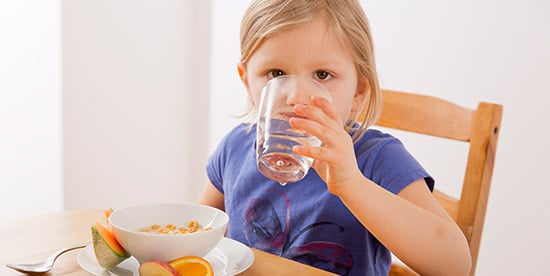
6. Drink calories count. Soda and other sweetened drinks add extra calories and get in the way of good nutrition. Water and milk are the best drinks for kids. Juice is fine when it's 100%, but kids don't need much of it - 4 to 6 ounces a day is enough for preschoolers.
7. Put sweets in their place. Occasional sweets are fine, but don't turn dessert into the main reason for eating dinner. When dessert is the prize for eating dinner, kids naturally place more value on the cupcake than the broccoli. Try to stay neutral about foods.
8. Food is not love. Find better ways to say "I love you." When foods are used to reward kids and show affection, they may start using food to cope with stress or other emotions. Offer hugs, praise, and attention instead of food treats.
9. Kids do as you do. Be a role model and eat healthy yourself. When trying to teach good eating habits, try to set the best example possible. Choose nutritious snacks, eat at the table, and don't skip meals.
10. Limit TV and computer time. When you do, you'll avoid mindless snacking and encourage activity. Research has shown that kids who cut down on TV-watching also reduced their percentage of body fat. When TV and computer time are limited, they'll find more active things to do. And limiting "screen time" means you'll have more time to be active together.


Kidshealth.org

Healthy Eating Habits for Your Child

              Healthy Eating Habits for Your Child


By teaching your children healthy eating habits, and modeling these behaviors in yourself, you can help your children maintain a healthy weight and normal growth. Also, the eating habits your children pick up when they are young will help them maintain a healthy lifestyle when they are adults.
Your child's health care provider can evaluate your child's weight and growth and let you know if your child needs to lose or gain weight or if any dietary changes need to be made.

Low-fat or nonfat dairy products
Poultry without skin
Lean cuts of meats
Whole grain breads and cereals
Healthy snacks such as fruit and veggies
Also, reduce the amount of sugar sweetened drinks and salt in your child's diet.
If you are unsure about how to select and prepare a variety of foods for your family, consult a registered dietitian for nutrition counseling.
It is important that you do not place your overweight child(ren) on a restrictive diet. Children should never be placed on a restrictive diet to lose weight unless a doctor supervises one for medical reasons.
Other approaches parents can take to develop healthy eating habits in their children include:
Guide your family's choices rather than dictate foods. Make a wide variety of healthful foods available in the house. This practice will help your children learn how to make healthy food choices. Leave the unhealthy choices like chips, soda, and juice at the grocery store. Serve water with meals.
Encourage your children to eat slowly. A child can detect hunger and fullness better when they eat slowly. Before offering a second helping or serving, ask your child to wait at least 15 minutes to see if they are truly still hungry. This will give the brain time to register fullness. Also, that second helping should be much smaller than the first.
Eat meals together as a family as often as possible. Try to make mealtimes pleasant with conversation and sharing, not a time for scolding or arguing. If mealtimes are unpleasant, children may try to eat faster to leave the table as soon as possible. They then may learn to associate eating with stress.
Involve your children in food shopping and preparing meals. These activities will give you hints about your children's food preferences, an opportunity to teach your children about nutrition, and provide your kids with a feeling of accomplishment. In addition, children may be more willing to eat or try foods that they help prepare.
Plan for snacks. Continuous snacking may lead to overeating, but snacks that are planned at specific times during the day can be part of a nutritious diet, without spoiling a child's appetite at meal times. You should make snacks as nutritious as possible, without depriving your children of occasional chips or cookies, especially at parties or other social events.
Discourage eating meals or snacks while watching TV. Try to eat only in designated areas of your home, such as the dining room or kitchen. Eating in front of the TV may make it difficult to pay attention to feelings of fullness, and may lead to overeating.
Encourage your children to drink more water. Over consumption of sweetened drinks and sodas has been linked to increased rates of obesity in children.
Try not to use food to punish or reward your children. Withholding food as a punishment may lead children to worry that they will not get enough food. For example, sending children to bed without any dinner may cause them to worry that they will go hungry. As a result, children may try to eat whenever they get a chance. Similarly, when foods, such as sweets, are used as a reward, children may assume that these foods are better or more valuable than other foods. For example, telling children that they will get dessert if they eat all of their vegetables sends the wrong message about vegetables.
Make sure your children's meals outside the home are balanced. Find out more about their school lunch program, or pack their lunch to include a variety of foods. Also, select healthier items when dining at restaurants.
Pay attention to portion size and ingredients. Read food labels and limit foods with trans fat. Also, make sure you serve the appropriate portion as indicated on the label.

Some of the most important aspects of healthy eating are portion control and cutting down on how much fat your child eats. Simple ways to reduce fat intake in your child's diet and promote a healthy weight include serving:


View Article Sources : http://www.webmd.com

Top 10 Healthy Eating Tips For Kids

Ten Healthy Eating Tips For Kids

It's not always easy to encourage your children to eat a balanced diet.
Here are ten tips for helping them to develop healthy habits at a young age.

10. Eat breakfast


girl having breakfast with dad

Eating breakfast, even if it’s just a banana and a glass of milk, kick-starts the body and makes it easier to maintain lasting energy throughout the day.
If you can get your kids to establish the habit of eating a good breakfast at a young age, it should stay with them as they get older.

9. Choose healthier snacks


eating oranges for snack

It’s easy to reach for chips or biscuits when you and your children feel like nibbling on something, but these snacks tend to be low in nutrients and high in calories.
Instead, try to keep your cupboards stocked with healthier snacks such as fruit, air-popped popcorn, unsalted nuts and unsweetened yoghurt.

8. Drink water


girl drinking a glass of water

Make water the drink of choice at meal times, and keep juice and sweet drinks as occasional treats.
While juice has valuable nutrients and gives a concentrated energy boost for active, growing bodies, kids should go for water first when they are thirsty, not sugar-sweetened drinks.

7. Grow your own


harvesting carrots

Growing vegetables and herbs at home can be a fun way to teach children where food comes from and to encourage them to eat a more varied diet.
They’re more likely to take at least a little bite of broccoli or carrots if they’ve helped to plant and pick them. If you don’t have a garden, a window box can be just as effective.

6. Eat together


mother and children eating together

It’s tempting to eat dinner in front of the television, to wolf down lunch at your desk, and to grab snacks on the run.
If you can encourage your children to eat regular meals with you at the table, it can not only reduce snacking, it can also teach valuable social skills.

5. Have fun in the kitchen


two girls baking in the kitchen

Children are more likely to become adventurous eaters if they know how to cook. Make it fun by giving them their own aprons and letting them help you regularly with small tasks in the kitchen.
As they get older and more confident, let them cook dinner once a week. If the thought of kids in the kitchen sounds like a recipe for disaster, why not enrol them in cooking classes during the school holidays?

4. Slow it down


girl eating slowly

Eating slowly is great for weight control at any age. It’s a fantastic way to show kids that it takes about 20 minutes for the message that they are full to get from their stomachs to their brains.
As much as we’d love our children to finish their meal in minutes, rather than hours, it’s much more important that they learn to slow down and chew their food properly.

3. Be creative


creative meal

All the vibrant colours in fruit and vegetables come from natural plant chemicals that have healthy effects on our bodies. Different colours have different effects, so it’s good to eat a variety of different colours each day.
Offer your kids a colourful snack of different fruits and berries, or chop vegetables into interesting shapes to make them seem more fun and exciting.

2. Learn when to stop


girl thinking whether to take another bite of food

Although children are born with the ability to stop eating when they are full, it can often be hard for parents to judge whether their kids have eaten the right foods, and enough of them.
Teaching children to listen to their tummies and to ask themselves questions about quantity and quality, such as “Is my tummy full?” or “Will I feel sick if I eat those extra biscuits?” will give them the opportunity to develop their ability to sense fullness.

1. Don't give up


little girl messing up her plate of food

Our research shows that most babies and young children need to try something new seven to ten times before they like it. So don’t be afraid to introduce children to new or more exotic tastes.
A good tactic to get kids to eat a wide variety of foods is to tell them that tasting new things is a sign they’re growing up. Or, take them shopping and let them choose a new, healthy food to serve at home with something they already like.


See More Information
http://www.nestle.com